

Health & Wellbeing
Allied Health Services for Older People
When families begin understanding aged care, they often ask an important question: what are allied health services, and how do they support wellbeing?

In Australia, allied health services refer to a wide group of qualified health professionals who work alongside doctors and nurses to support physical, emotional and functional wellbeing.
These services are essential across Support at Home, residential aged care and community programs, helping older people maintain independence, manage chronic conditions and stay engaged in daily life.
At Southern Cross Care, our allied health support services are tailored to individual needs, delivered by experienced professionals, and integrated into broader care planning. For those seeking allied health services aged care Sydney, access to coordinated, person-centred support can significantly enhance quality of life.
What Are Allied Health Services?
If you’re wondering what are allied health services, they include therapeutic and rehabilitative supports delivered by professionals such as:
- Physiotherapists
- Occupational therapists
- Dietitians
- Speech pathologists
- Podiatrists
- Exercise physiologists
- Psychologists and counsellors
These practitioners focus on mobility, nutrition, communication, mental health and daily functioning. Within aged care, allied health care services complement nursing and medical care by promoting strength, recovery and ongoing independence.
For families beginning their journey, our guide to understanding aged care explains how allied health fits within the broader aged care system.

Benefits of Allied Health Services for Older People
Supporting Independence and Mobility
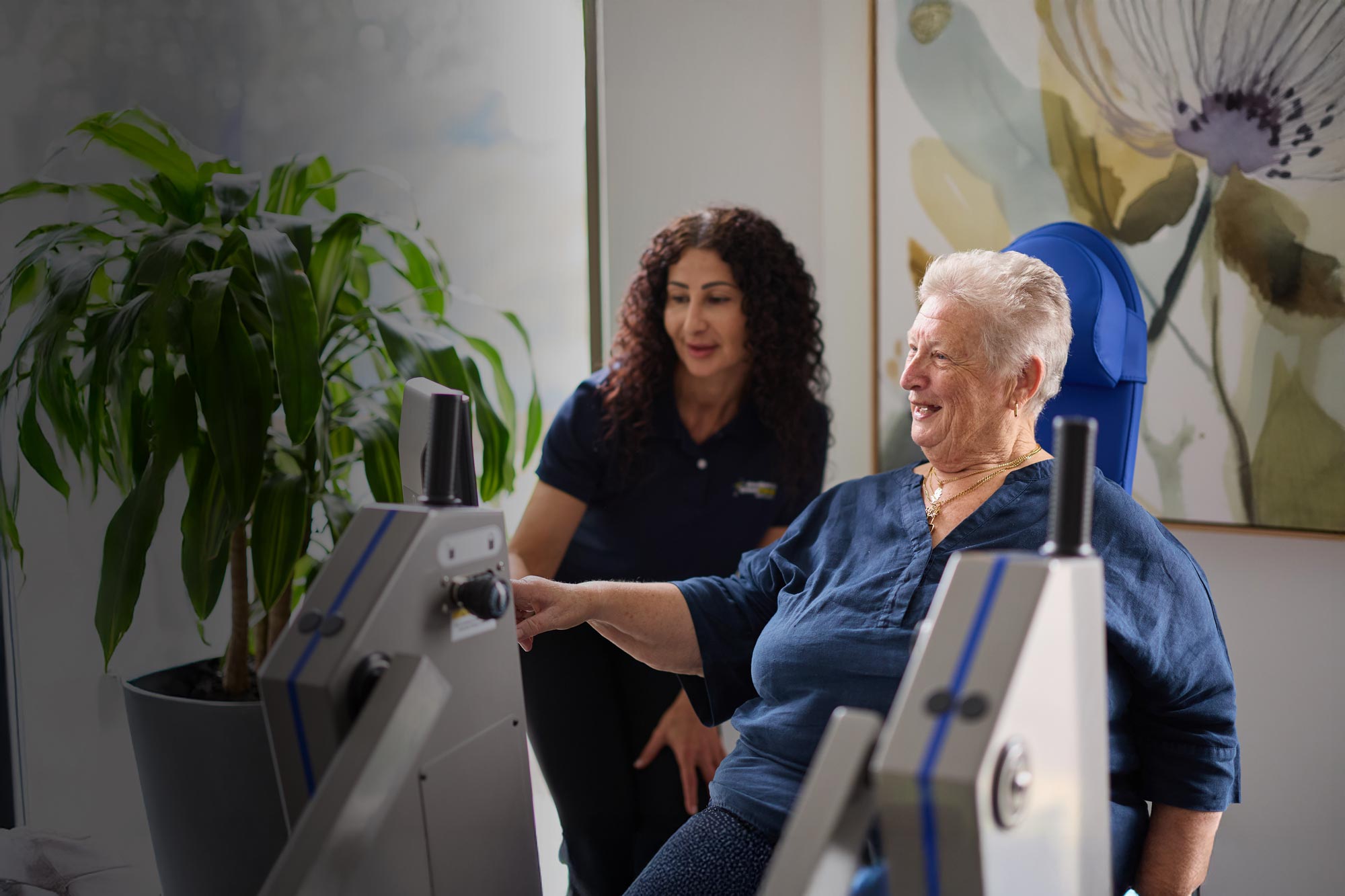
Physiotherapy and exercise programs help reduce fall risk, improve balance and maintain confidence. Occupational therapy supports safe daily living, enabling people to remain active and engaged.
Improving Quality of Life
Through structured therapy and tailored interventions, allied health care services can:
- Improve strength and flexibility
- Support recovery from illness or injury
- Enhance communication and swallowing safety
- Optimise nutrition
- Improve emotional well-being
These improvements directly influence comfort, dignity and participation in meaningful activities.
Multidisciplinary, Holistic Care
Allied health professionals collaborate closely with care teams, nurses and general practitioners. This integrated approach ensures treatment plans reflect the whole person, not just isolated symptoms.
In addition to physical and clinical support, many older people also benefit from emotional and spiritual well-being services. Our spiritual care programs complement allied health support by addressing emotional resilience, meaning and connection.
Accessing Allied Health Services
Understanding how to access allied health services aged care Sydney is an important part of planning.
Step 1. Initial Assessment
Access usually begins with a professional assessment to determine care needs. This may involve reviewing:
- Mobility and balance
- Pain or rehabilitation needs
- Nutrition and swallowing
- Emotional and psychological wellbeing
For people receiving support at home, you can learn more about the process through our overview of Support at Home assessments.
Step 2. Personalised Service Planning
Following assessment, a tailored plan is developed outlining therapy goals, frequency and expected outcomes. Allied health support services may be accessed through:
- Aged care funding
- Private health insurance
- Medicare (where eligible)
- NDIS allied health services for eligible participants
For families navigating financial considerations, our guide to aged care costs explains how services may be funded.
Step 3. Ongoing Review and Support
Therapy is reviewed regularly to ensure progress remains aligned with individual goals. As circumstances change, allied health care services can adapt accordingly.
Early preparation through planning for aged care ensures that allied health support is considered as part of a broader, proactive care strategy.
Expertise You Can Trust
Southern Cross Care’s allied health professionals are fully qualified, registered and experienced in supporting older people across diverse care settings. Our team works in accordance with Australian regulatory standards and professional bodies relevant to each discipline.
We prioritise:
- Evidence-based practice
- Person-centred care
- Ongoing professional development
- Collaborative multidisciplinary teamwork
Real-Life Impact
For example, one resident experiencing reduced mobility began physiotherapy and strength training. Within months, balance improved, confidence increased and participation in social activities resumed.
Another client receiving dietetic support achieved improved nutritional intake and energy levels, contributing to greater overall wellbeing.
These outcomes highlight how structured allied health support services can positively influence daily life.
What’s Included in Our Allied Health Care Services
Our services may include:
- Physiotherapy (strength, mobility, falls prevention)
- Occupational therapy (daily living skills and adaptive equipment)
- Dietetics (nutrition assessment and planning)
- Speech pathology (communication and swallowing support)
- Podiatry (foot care and mobility)
- Exercise physiology
- Psychological and emotional support
Services can be delivered:
- Within residential aged care communities
- In-home settings
- In community-based programs
Exclusions and Limitations
While allied health services provide valuable therapeutic support, they:
- Do not replace specialist medical care
- May require GP referral depending on funding pathway
- Are subject to eligibility criteria under Medicare, aged care funding or NDIS programs
- Cannot guarantee specific clinical outcomes, as results vary by individual
Funding and service availability may vary depending on assessment outcomes and program eligibility.

Take the First Step Toward Better Wellbeing
Whether you are exploring private support, government-funded care or NDIS allied health services, early action can make a meaningful difference.
If you or a loved one could benefit from allied health support services, our team is here to guide you through assessment, planning and implementation.
Contact Southern Cross Care today to learn more or schedule an assessment. Taking the first step can support stronger health, greater independence and improved quality of life.
Allied Health Services FAQs
What types of allied health services are available for older adults?
Services may include physiotherapy, occupational therapy, dietetics, speech pathology, podiatry, exercise physiology and psychological support.
How can I determine if I need allied health services?
If you are experiencing mobility challenges, pain, communication difficulties, nutritional concerns or emotional changes, a professional assessment can identify appropriate support.
Are allied health services covered by Medicare or private health insurance?
Some services may be covered under Medicare Chronic Disease Management plans, private health insurance or government aged care funding. Eligibility varies.
How do I prepare for my first appointment?
Bring relevant medical information, referral documents and details about your goals or concerns.
What should I expect during therapy sessions?
Sessions are personalised and goal-focused. You may participate in exercises, skill-building activities, education or rehabilitation strategies.
Can allied health services be provided at home?
Yes. Many allied health care services can be delivered in-home, within residential communities or in clinical settings, depending on individual needs.